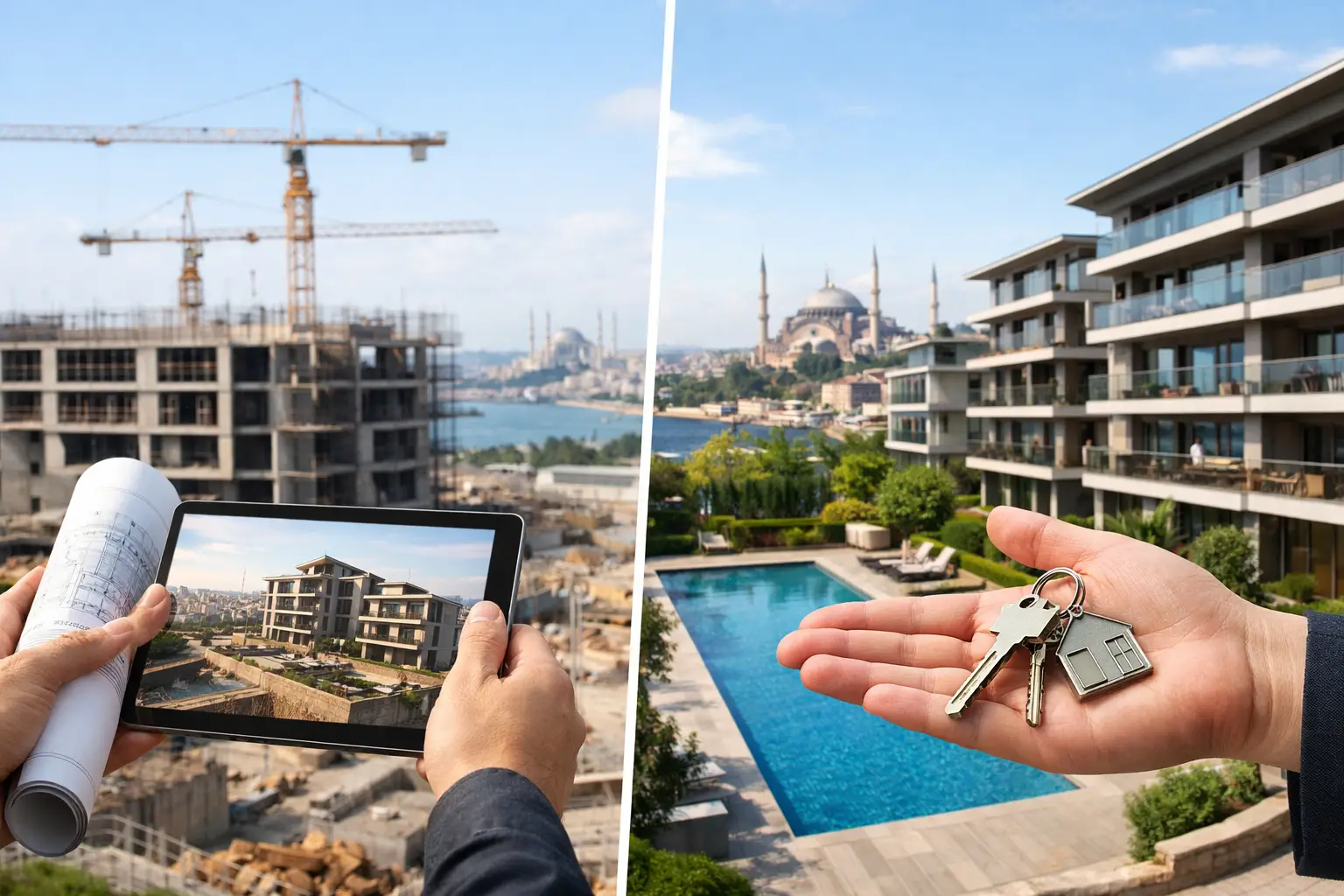

A sea-view apartment in Istanbul can look perfect during a viewing, yet the paperwork determines what you are actually buying. Turkish property documents are the evidence behind ownership, legal status, payment, and – for qualifying investors – a citizenship application. Reviewing them carefully before funds move is one of the strongest protections available to an international buyer.
For a home, second residence, rental asset, or citizenship-focused purchase, the goal is not simply to collect documents at closing. It is to verify that the seller can transfer the right property, free of surprises, on terms that match the agreement. The process is straightforward when it is handled in the right order, with local legal and transaction support.
The Turkish Property Documents That Matter Most
The central document is the Tapu, commonly called the title deed. Issued by the Land Registry Directorate, it records the registered owner and key details of the real estate unit. A Tapu is essential, but it should never be viewed in isolation. It proves registered ownership; it does not, by itself, tell a buyer everything about debt, restrictions, building status, or the terms of a private sales agreement.
Before signing or making a substantial payment, buyers should compare the Tapu details with the apartment, villa, office, shop, or land being offered. Check the owner’s name, block and parcel details, independent unit number, property type, and stated share. In a large residence project, a small mismatch in unit information can create an expensive delay.
A current title registry extract, often requested as a takyidat record, is equally valuable. It shows annotations and encumbrances attached to the property. These can include mortgages, liens, court measures, rights of way, leases, family-residence annotations, or restrictions on transfer. Some entries are routine and can be removed at closing; others require a closer legal review. Do not rely on an old extract supplied early in the sales process. The record should be checked again close to the title transfer date.
Buyers should also ask for the building’s occupancy permit, known as an iskan. This document confirms that the completed building has been approved for use in line with its permitted construction. Its importance depends on the property type and age, but it is a major practical consideration for utilities, financing, resale confidence, and long-term ownership.
Condominium easement and full condominium ownership
The Tapu will generally reflect one of two common forms of unit registration. Kat irtifakı refers to condominium easement, often used when units have been established within a project but the building’s final occupancy stage is not yet complete. Kat mülkiyeti refers to full condominium ownership, generally indicating that the independent unit has reached the final registration stage.
Neither label should be treated as an automatic reason to buy or walk away. New developments, resale homes, and redevelopment projects can each have different circumstances. What matters is understanding the building’s status, remaining procedures, and whether the property can be transferred and used as intended. A clear explanation from the developer, seller, and an independent legal professional is worth obtaining before commitment.
Documents That Support a Secure Purchase
The title transfer is conducted at the Land Registry Directorate, but a sound transaction begins earlier. The sales contract should identify the parties, exact unit, agreed price, payment dates, delivery conditions, included fixtures, penalties, and the consequences if either party fails to perform. For off-plan or under-construction properties, it should also address the completion timetable, construction specifications, common facilities, title delivery, and any rental guarantee with precise language.
Foreign buyers will usually need a valid passport and a Turkish tax identification number for the transaction. If a buyer appoints someone to act on their behalf, the power of attorney must be prepared correctly for use in Turkey. When issued abroad, it may require apostille or consular legalization, together with a sworn Turkish translation. A poorly drafted power of attorney can delay signing or give an agent broader authority than the buyer intended.
Keep a complete payment file from the first reservation deposit onward. Bank transfer receipts, exchange records, sales invoices where applicable, and signed payment acknowledgments create a clear trail. Cash arrangements introduce avoidable risk and can be unsuitable for buyers pursuing citizenship by investment. The final price declared at transfer should also be considered carefully. Under-declaring a purchase price may appear attractive in the short term, but it can create tax, resale, valuation, and citizenship complications.
For many purchases by foreign nationals, an official valuation report is part of the process. The report helps establish a market-based value and supports the land registry procedure. It is not a replacement for your own investment assessment. A valuation may confirm that a unit is reasonably priced for formal purposes while still leaving questions about rental demand, delivery risk, service charges, or future supply in the district.
What Changes for Turkish Citizenship by Investment?
Buyers pursuing Turkish citizenship through real estate need more than a valid Tapu. The investment must meet the applicable program requirements at the time of application, including the qualifying value, approved payment route, holding period, and registration conditions. Rules and administrative practices can change, so the file should be structured around current guidance rather than assumptions from an older online article.
In addition to the title deed and valuation report, the citizenship file commonly depends on bank payment records, foreign-currency exchange documentation where required, identity documents, and a registry annotation confirming the commitment not to sell the qualifying property for the required period. The relevant authority then assesses the investment and issues the appropriate eligibility documentation before the residence and citizenship stages proceed.
The details matter. A property can be desirable from a lifestyle perspective but unsuitable for a citizenship route because of its price structure, payment history, prior ownership, or title status. Likewise, a buyer may combine eligible properties if the current rules permit it, but each asset must be documented properly. This is why citizenship planning should start before reservation, not after a contract has been signed.
A Practical Document Check Before You Pay
A buyer should have the following reviewed as a connected file rather than as separate papers:
- The current Tapu and title registry extract, confirming ownership and any mortgage, lien, annotation, or restriction.
- The sales contract, project specifications, delivery commitments, and a schedule that ties every payment to a clear obligation.
- The occupancy permit and condominium status, especially for completed buildings and resale apartments.
- The valuation report, municipal tax position, and evidence that utility or management fees are not outstanding.
- Bank receipts and exchange documents that match the contract price and the intended citizenship or investment structure.
For resale property, ask about current tenants, lease terms, maintenance fees, renovation history, and any disputes within the building. For land, additional planning and zoning checks are essential because a title deed does not guarantee what can be built. For a commercial unit, permitted use, tenant rights, and income evidence deserve the same attention as the title itself.
Common Mistakes International Buyers Can Avoid
The most common mistake is treating a brochure, reservation form, or verbal promise as proof of legal status. Marketing materials can help you choose a lifestyle and location, but the land registry, municipal, contractual, and payment records determine the transaction.
Another mistake is assuming that a trusted seller removes the need for independent review. A reputable developer or brokerage can make the process more efficient, yet proper verification protects all parties and keeps the closing on schedule. It is also wise to confirm who is receiving each payment and why. Reservation deposits, installments, taxes, title fees, and service charges should never be blended into vague requests.
Language can create a further challenge. Buyers should understand the Turkish text they sign, not just an informal verbal translation. A sworn translation and qualified legal guidance are particularly valuable for powers of attorney, sales contracts, title annotations, and citizenship forms.
At Hayat, the right property journey is built around more than selecting an attractive address. It means aligning the home or investment with the right documents, payment structure, and long-term objective – whether that is rental income, family living in Istanbul, or a qualifying route toward Turkish citizenship.
A well-organized document file gives you more than a smoother closing. It gives you the confidence to enjoy your property, plan your next move, and hold an asset whose legal foundation is as strong as its location.