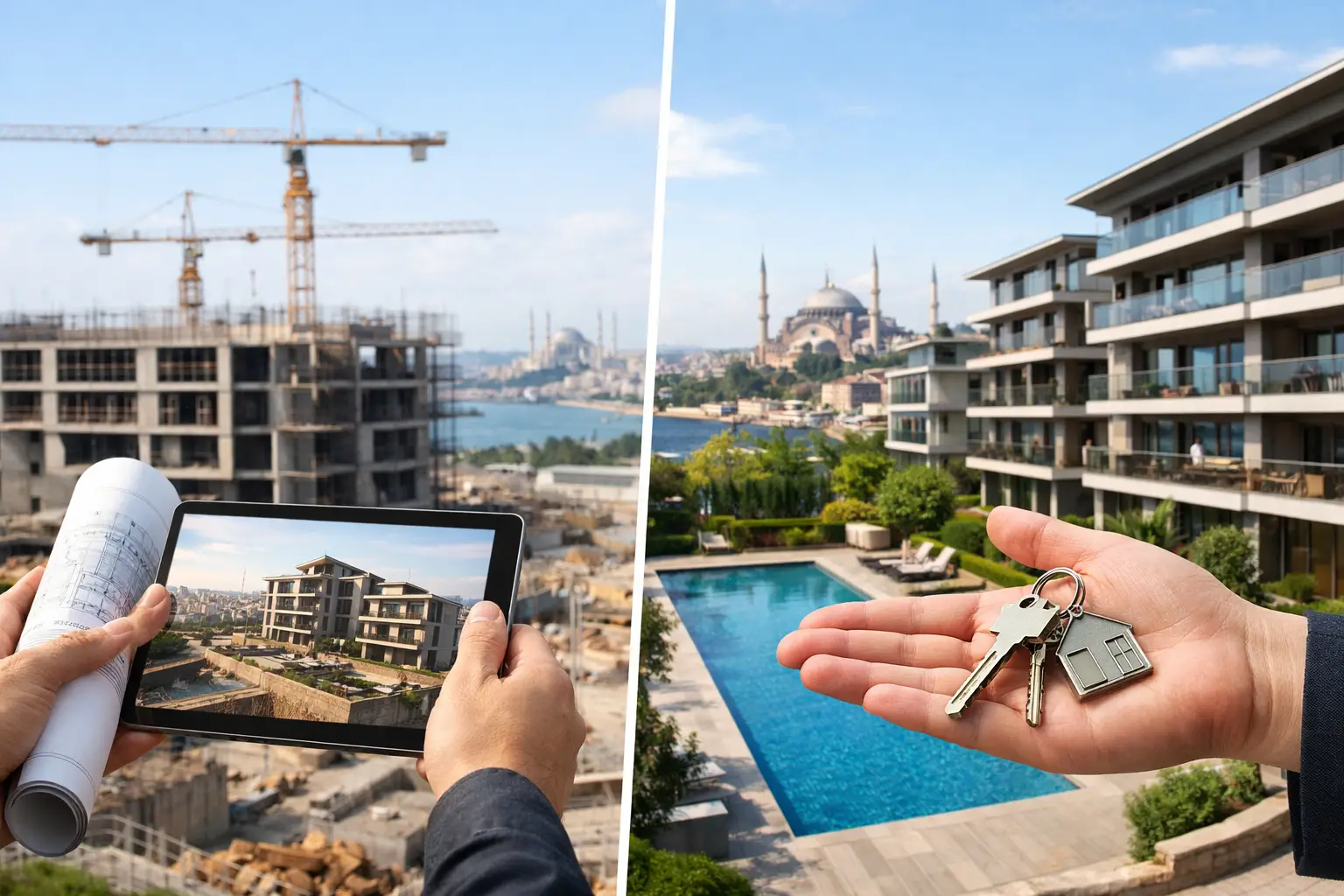

An Istanbul apartment can look like an exceptional opportunity at the viewing, then become a very different transaction at the title deed office if its official value is unclear. So, are property valuations mandatory in Turkey? For most foreign buyers, yes: an official valuation report is generally required before transferring a property title deed. It is also a central document for buyers using real estate to pursue Turkish citizenship by investment.
That requirement should not be viewed as a barrier. A properly prepared valuation gives international buyers an additional layer of protection in a market where project prices, resale opportunities, exchange rates, and neighborhood potential can vary significantly. It helps ensure that the declared purchase price reflects a defensible market value and that the transaction can move forward with fewer surprises.
Are Property Valuations Mandatory for Foreign Buyers?
Foreign individuals purchasing real estate in Turkey are generally required to obtain a property valuation report for the title deed transfer process. The report must be prepared by an authorized valuation professional and submitted through the relevant official procedures before ownership is registered.
This rule is particularly relevant for overseas buyers because it creates an independent reference point for the sale. The report assesses the property rather than simply repeating the developer’s list price or the seller’s requested amount. It considers the title deed details, location, size, building characteristics, legal status, comparable properties, and current market conditions.
For a Turkish citizen buying without bank financing, a valuation may not be universally required in every private sale. However, banks commonly request one when issuing a mortgage, and prudent domestic buyers often order an appraisal voluntarily. The practical difference is that foreign purchasers should plan for the valuation as a standard part of their acquisition timeline, not as an optional extra.
Why Turkey Requires an Official Valuation
The purpose is straightforward: to make property transactions more transparent and protect buyers, sellers, and public authorities from inaccurate pricing. International buyers may be unfamiliar with local districts, construction standards, or the difference between a newly launched project price and the resale value of a completed residence. An official report brings objective information into that decision.
It also helps reduce the risk of a property being purchased at a price that is difficult to support in the market. A sea-view residence in Beylikduzu, a family villa in Buyukcekmece, or a city-center apartment in Sisli may each command very different values depending on the exact block, floor, view, title type, amenities, and access to transportation. Broad neighborhood averages are useful, but they cannot replace a property-specific assessment.
For the title deed process, the declared sales value should align appropriately with the valuation findings and official requirements. If there is a significant discrepancy, the parties may need to clarify the situation before the transfer can proceed. This is one reason buyers should avoid leaving the report until the last moment.
When Property Valuations Are Mandatory for Citizenship
A valuation report is essential when a buyer intends to apply for Turkish citizenship through a qualifying real estate investment. Under the current real estate route, the qualifying investment threshold is generally at least $400,000, subject to the applicable rules, documentation standards, and official review at the time of application.
The valuation is not merely a formality in this process. Authorities use it to assess whether the acquired property or properties meet the required value. Paying $400,000 does not automatically mean the investment will qualify if the official valuation supports a materially lower figure. Buyers must also follow the required payment, title deed, currency conversion, and annotation procedures, including the commitment not to sell the qualifying property for the required holding period.
This is where transaction planning matters most. A buyer may find a luxury residence priced at the citizenship threshold, but a successful application depends on much more than the advertised price. The title deed status, valuation result, payment trail, seller eligibility, and timing of each document must work together.
For buyers combining a lifestyle purchase with a citizenship objective, it is often wiser to select a property with a comfortable value margin above the minimum rather than targeting the threshold exactly. Market changes, valuation methodology, exchange-rate movements, and transaction costs can all affect the strength of the file.
What an Appraiser Reviews
An authorized appraiser conducts both legal and physical checks. They review the title deed records and property information, then assess whether the unit, villa, land parcel, office, or commercial space matches the available documentation. They also consider location, gross and net area, age of the building, floor level, condition, view, facilities, occupancy, and recent comparable sales.
For off-plan or newly completed developments, the report may evaluate the stage of construction, the project’s permits, and the specific unit being acquired. For resale homes, the appraiser will look closely at the existing title, building condition, and realistic sales evidence in the immediate area.
A valuation is not the same as a technical survey or a legal guarantee. It does not replace due diligence on zoning, title deed restrictions, outstanding debts, occupancy matters, earthquake compliance, or the contract terms. It is one important part of a careful purchase process, alongside legal review and a clear understanding of the developer or seller’s obligations.
How the Valuation Affects Your Purchase Timeline
The report should be ordered early enough to support the planned title deed appointment. Its preparation time can vary based on the property type, location, document availability, and workload of the authorized valuation firm. A straightforward apartment may be assessed quickly, while land, a commercial asset, or a portfolio of multiple properties can require more review.
Reports are generally issued for a limited validity period, so ordering too far in advance can also create complications. The right approach is to coordinate the valuation with the contract, payment schedule, title deed preparations, and, where applicable, citizenship application plan.
Buyers should be cautious if a seller pressures them to sign immediately while discouraging a valuation or asking for an artificially low declared price. Such shortcuts can create title deed, tax, financing, resale, and citizenship issues later. A transparent seller should be comfortable with a properly documented transaction.
What to Do if the Valuation Is Lower Than the Agreed Price
A lower valuation does not automatically mean the property is a poor choice. Premium finishes, a rare view, a furnished turnkey package, a highly desired floor, or a buyer’s long-term lifestyle priorities may justify paying more than a report’s market estimate. In a competitive district, buyers may reasonably place value on factors that are difficult to quantify fully.
However, the gap deserves a clear conversation before funds are transferred. Ask what comparable properties were used, whether the report reflects the correct unit details, and whether any special features were overlooked. If there is a genuine factual error, it may be possible to request clarification through the proper process.
For citizenship-focused purchases, a low result is more consequential. The buyer may need to negotiate the price, choose a different property, add another qualifying property where permitted, or revise the investment strategy. Making that decision before the title deed transfer is far easier than trying to correct a weak citizenship file afterward.
A Better Way to Approach Valuation in Istanbul
The strongest purchases begin with property selection, but they do not end there. Buyers should compare the asking price against the district, review the legal and title deed position, confirm the likely valuation outcome, and map the full transaction sequence before committing. This is especially valuable in Istanbul, where a short distance between neighborhoods can produce a meaningful difference in rental demand, family lifestyle, transit access, and future resale appeal.
At Hayat, this kind of coordination is part of helping international buyers move from first inquiry to a confident closing. The goal is not simply to find a beautiful residence or a promising investment. It is to help ensure that the property, paperwork, and long-term objective are aligned from the start.
Before reserving your next Turkish property, treat the valuation as an early decision tool rather than a final administrative task. It can help you buy with clearer expectations, protect the value of your capital, and keep your title deed or citizenship plan on a secure path.