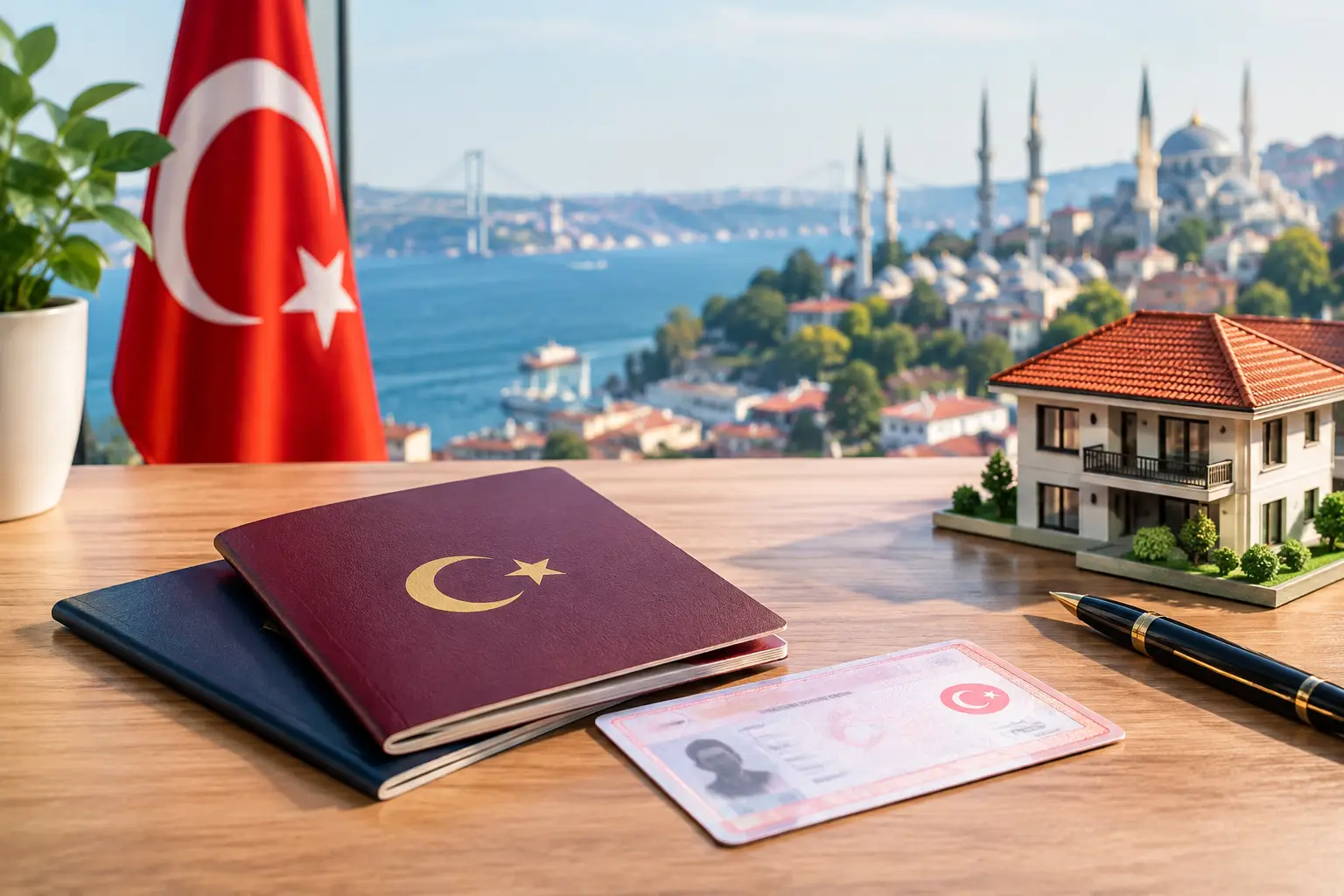
A waterfront residence with Bosphorus views, a family apartment beside an international school, or a well-located home that may support a citizenship application can represent very different ambitions. Yet all sit behind the continuing foreign demand for Turkish property. International buyers are not coming to Turkey for one single reason. They are responding to a combination of lifestyle, access, relative value, rental potential, and the possibility of building a more flexible future for their families.
For buyers considering Istanbul and selected coastal markets, the real opportunity is not simply finding a property that looks attractive online. It is matching the right asset, district, purchase structure, and long-term plan. That is where a carefully advised purchase can become far more valuable than a transaction alone.
What Foreign Demand for Turkish Property Really Means
Foreign interest in Turkish real estate is often discussed as though every international buyer wants the same thing. The market is more varied than that. Some buyers are focused on Turkish citizenship by investment. Others want a city base for business, a second home close to Europe and the Middle East, a residence for university-age children, or a tangible asset in a globally connected city.
This diversity supports demand across several property categories. New-build residences appeal to buyers who prioritize modern amenities, security, parking, and professional building management. Villas attract families looking for privacy, outdoor space, and a lifestyle-led move. Resale apartments can offer stronger location value in established neighborhoods, while offices, shops, hotel apartments, and land may suit investors with a more commercial strategy.
Turkey’s appeal also changes by buyer profile. A purchaser seeking a vacation home may favor the Aegean or Mediterranean coast. A buyer planning relocation, education, or regular business travel is more likely to focus on Istanbul. The city provides a rare mix of international connectivity, deep cultural life, major hospitals, schools, shopping districts, and neighborhoods with distinct character.
Istanbul Remains the Center of International Interest
Istanbul does not behave like a single market. It is a collection of local markets, each with its own buyer demand, lifestyle offer, transport links, and price logic. This matters because a property that performs well for rental demand may not be the best choice for a family seeking a quiet long-term home. Likewise, a luxury branded residence may suit a citizenship-focused buyer but offer a different resale audience from an apartment in an established residential district.
European-side locations near business centers, international schools, and coastal routes often attract buyers who want convenience alongside an urban lifestyle. The Asian side can appeal to families and professionals seeking a more residential rhythm, green spaces, and access to key commercial areas. New infrastructure, metro access, major highways, airports, and regeneration projects can influence a district’s outlook, but they should never be treated as a substitute for choosing a sound property in a desirable location.
For foreign buyers, the most effective approach is to begin with the purpose of ownership. Is the priority a personal home, rental income, future resale, citizenship eligibility, or a combination of these goals? Once that is clear, the search becomes more focused and the comparison between projects becomes more meaningful.
Lifestyle Value Is Part of the Investment Case
Property decisions are financial, but they are also personal. International demand remains connected to the experience Turkey offers: coastal living, acclaimed cuisine, historic neighborhoods, private healthcare, and a culture that welcomes both short stays and long-term settlement.
For families, practical factors often carry more weight than a dramatic view. They may prioritize school access, building security, a larger floor plan, community facilities, and a manageable commute. For a second-home buyer, proximity to the sea, airport access, and lock-up-and-leave convenience can be decisive. Investors may place greater emphasis on tenant profiles, building quality, legal documentation, and exit potential.
The strongest purchase is usually the one that recognizes these priorities early, rather than trying to make one property satisfy every possible objective.
Citizenship Adds a Strategic Dimension
Turkey’s citizenship by investment program is a major reason some international buyers place the country on their shortlist. Qualifying real estate investments can provide a route toward Turkish citizenship, subject to the applicable legal requirements, valuation rules, title deed conditions, and holding period. For many families, this adds a planning benefit that goes beyond the property itself.
However, citizenship should not be approached as a reason to compromise on the quality of the real estate. A qualifying price alone does not make a property a strong investment. Buyers should still examine the developer or seller, location, construction standards, projected operating costs, resale market, and the documents required for the application.
Timing and structuring matter. The declared value, payment trail, official appraisal, title deed status, and annotations on the title deed must align with the program’s requirements. A buyer should receive clear guidance before transferring funds or signing a contract, not after. This is particularly important when buying off-plan, combining multiple units, or purchasing a resale property.
A well-managed process connects the property search with legal due diligence and citizenship planning from the start. At Hayat, this means helping buyers consider both the lifestyle value of a home and the practical steps needed for a secure transaction.
Value Is Not the Same as the Lowest Price
Turkey can offer compelling value compared with many major international cities, especially when buyers compare size, amenities, and lifestyle. But value should not be confused with simply choosing the least expensive unit available.
A low entry price in a weak location or an over-supplied project can create difficulties later. Conversely, a well-priced home in an established district with everyday demand may be easier to rent, use, and resell. The premium paid for a recognized location, quality management, good transport access, or a limited supply of comparable homes can be justified if it supports the property’s long-term appeal.
Currency is another consideration. International buyers should understand how exchange rates affect their purchase budget, rental expectations, ongoing expenses, and eventual exit strategy. Some investors prefer a property that generates income in Turkish lira while holding an asset priced with international demand in mind. Others are primarily focused on personal use and see financial returns as a secondary benefit. Neither approach is automatically better. It depends on the buyer’s time horizon and risk tolerance.
Rental Potential Requires a Realistic View
Rental income can strengthen the case for ownership, particularly in neighborhoods with business activity, universities, healthcare facilities, tourism, or strong family demand. Still, projected yields should be evaluated carefully. Gross rental figures do not account for furnishing, vacancy periods, management fees, maintenance, taxes, or the practical work of finding and managing a tenant.
Short-term rental plans require particular caution because regulations and licensing requirements can affect what is possible in a specific building or area. Buyers should confirm the permitted use of the property before relying on short-term income projections. A long-term lease may deliver a more stable outcome for some owners, even if the headline return appears lower.
How Overseas Buyers Can Reduce Risk
The Turkish market rewards preparation. Attractive photography and promotional prices are useful starting points, but they do not replace verification. A dependable advisory process should include checking the title deed, evaluating whether there are restrictions or debts affecting the property, reviewing the sales contract, confirming the payment schedule, and making sure the purchase route reflects the buyer’s objectives.
For new developments, it is wise to assess delivery commitments, specifications, common-area quality, maintenance fees, and the developer’s track record. For resale homes, buyers should inspect the actual condition of the unit, building maintenance, occupancy situation, and any renovation requirements. The best choice can be either new or resale, depending on whether the buyer prioritizes modern facilities, immediate occupancy, central location, or price negotiation.
International purchasers also benefit from a team that can explain each stage in a language they understand. This includes property selection, viewings, negotiation, valuation, bank transfers, tax number arrangements where needed, title deed transfer, and post-purchase support. Clarity reduces stress, but it also prevents expensive assumptions.
Demand Will Favor Better Choices
Foreign buyers will continue to see Turkish property through different lenses: a home, a lifestyle move, a citizenship pathway, a rental asset, or a foothold in Istanbul’s dynamic economy. That breadth is one reason demand has lasting depth. It is not dependent on a single buyer group or one type of property.
The buyers most likely to benefit are those who look beyond broad market headlines and choose with purpose. A home should work for the life you intend to live, the investment plan you can realistically support, and the exit options you may eventually need. With the right local guidance, Turkey can offer not only an appealing place to own property, but a well-considered next step for your family and capital.