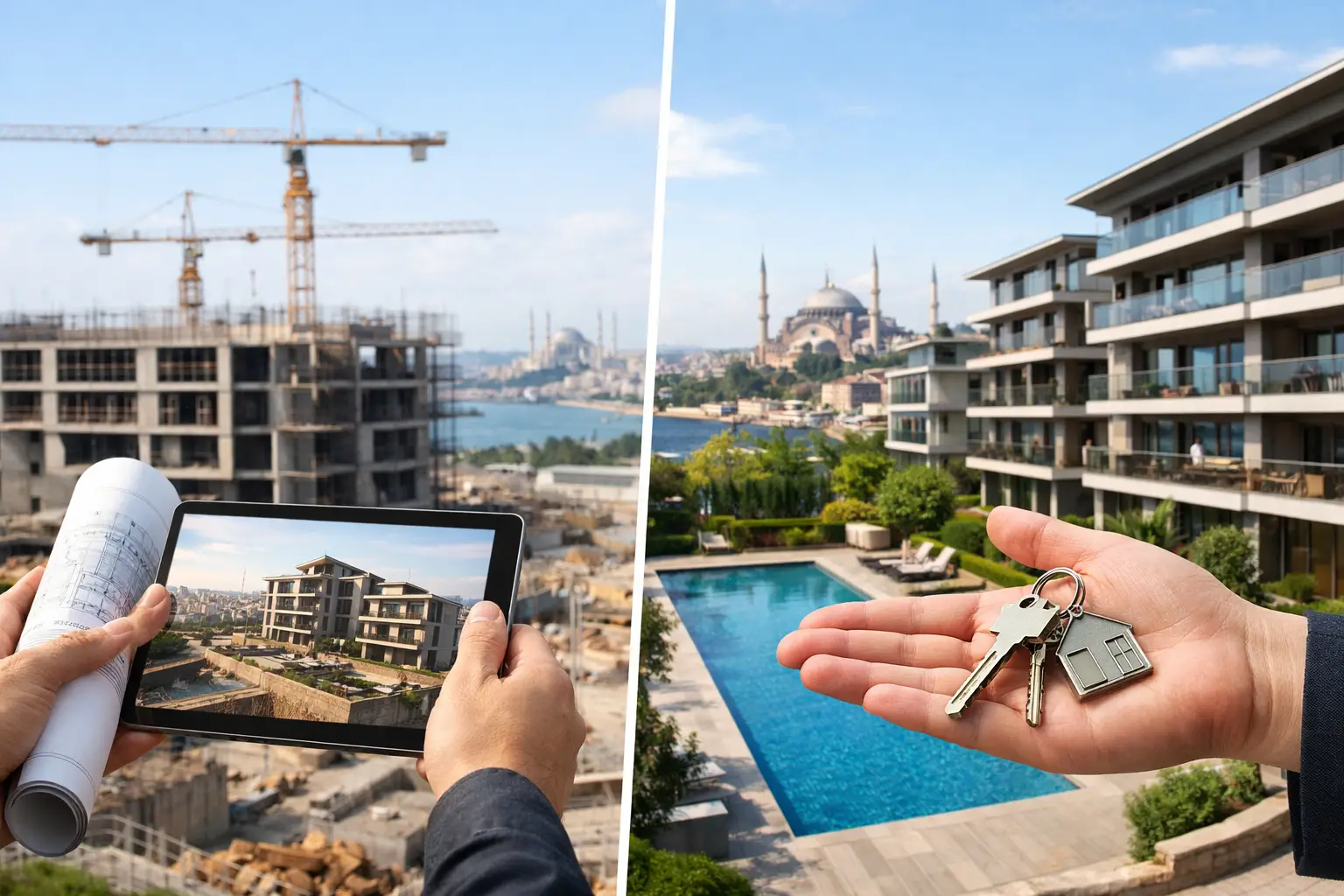
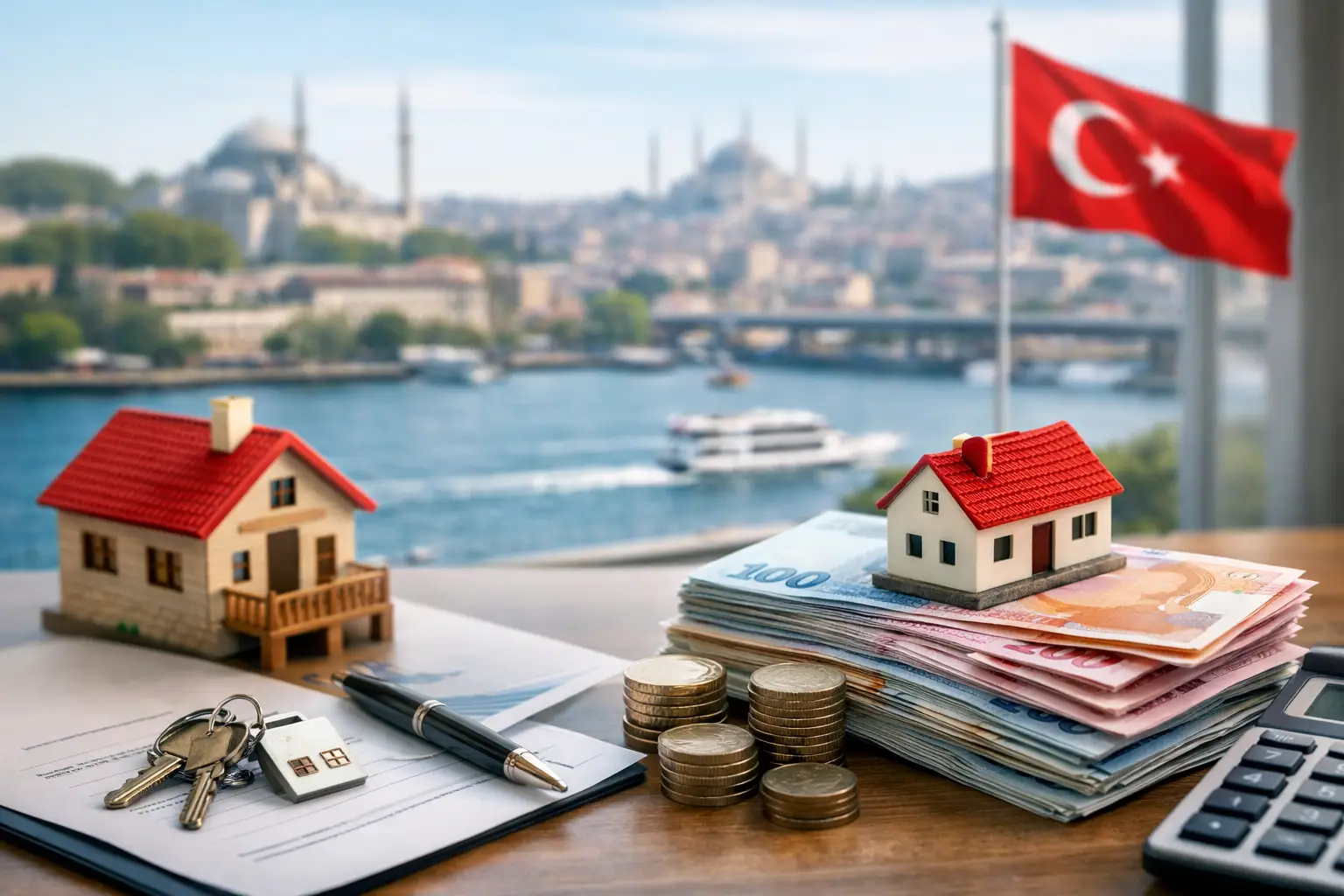
A cash mortgage Turkey search usually starts with one practical question: should you transfer the full purchase price from abroad, or finance part of an Istanbul property through a Turkish bank? The right answer affects more than your monthly payment. It can shape your negotiating position, closing timeline, currency exposure, and, for qualifying buyers, the structure of a Turkish citizenship investment.
For international buyers, Turkish real estate can offer a compelling combination of urban lifestyle, rental potential, and access to a market with a wide range of residences, villas, offices, and land. But a property purchase should be designed around your goals before you reserve a unit. Cash and mortgage financing are both possible routes in certain circumstances, yet they serve very different buyer profiles.
Cash Mortgage Turkey: What Does the Term Mean?
“Cash mortgage Turkey” is not usually the name of a single banking product. It commonly describes the decision between buying a Turkish property in cash and obtaining a mortgage from a Turkish bank. Some buyers also use it when they are looking for a way to release capital from a property they already own, although cash-out lending is generally more limited and bank-specific for foreign nationals.
In practice, most overseas buyers choose one of two structures. A cash buyer pays the agreed price through documented bank transfers as part of the official purchase process. A financed buyer uses personal funds for a down payment and seeks a Turkish mortgage for the remaining eligible amount.
The distinction matters because Turkish banks assess foreign applicants individually. Nationality, income source, credit profile, property type, valuation, age, residency status, and the bank’s current lending policy can all influence approval. A mortgage should never be assumed simply because a property is available for sale.
Why Cash Purchases Remain Popular
Cash purchases are common in Istanbul’s new-development and resale markets because they give buyers speed and certainty. Developers may offer more favorable payment terms or a stronger price discussion when the buyer can close without waiting for loan approval. In competitive residences or well-located villas, that certainty can be valuable.
Cash does not mean arriving with physical currency. A properly structured purchase relies on traceable banking records, agreements, title deed documentation, and the required foreign-currency conversion procedures. The exact payment path should be organized before funds are sent, particularly where a buyer wants the investment to support a citizenship application.
A cash buyer also avoids interest expense and the risk that a mortgage payment becomes more expensive after a change in exchange rates. This can be especially attractive for clients holding US dollars, euros, or other foreign currency and planning to keep the property as a long-term family residence, second home, or rental asset.
Still, paying cash is not automatically the best commercial choice. It concentrates a larger amount of capital in one asset and may reduce liquidity for furnishing, renovation, taxes, business needs, or future investments. The strongest cash buyers keep enough reserve funds to own and operate the property comfortably after closing.
How Turkish Mortgages Work for Foreign Buyers
A Turkish mortgage can help preserve capital, but it requires patience and careful qualification. Banks typically lend against the appraised value of the property rather than simply the contract price. If the bank valuation is lower than expected, the buyer may need to contribute a larger down payment.
Loan-to-value ratios, maximum terms, and interest rates vary by lender and can change with market conditions. Foreign buyers often find that available financing is more conservative than what they may expect in the United States. The property itself also matters. A completed apartment with a clear title deed may be easier to finance than land, an off-plan unit, or a specialized commercial property.
Banks commonly request proof of income, passport details, tax registration information, bank statements, and documents supporting the source of funds. Additional translation, notarization, or local administrative steps may be required. Approval periods vary, so buyers should build time into the reservation and sales contract rather than commit to a deadline that depends on an unconfirmed loan.
Mortgage financing can make sense when your income is stable, you want to retain investment capital, and the cost of borrowing fits your expected holding period. It can be less attractive when rates are high, the desired property has a short closing window, or a citizenship strategy depends on a specific qualifying investment amount.
Cash Mortgage Turkey: Choosing the Better Route
The choice is not simply cash versus debt. It is a decision about control, timing, and investment priorities. Consider four questions before you select a property and payment structure:
- How quickly do you need to close? Cash buyers can often move more directly once due diligence and documentation are complete, while mortgage approvals add a separate timeline.
- How much liquidity do you want after purchase? Financing may preserve funds for other investments, but it adds interest, bank charges, and repayment obligations.
- Is citizenship by investment part of your objective? The qualifying purchase, valuation, payment records, and title deed annotation need to meet the applicable rules at the time of application.
- What is your currency strategy? A buyer earning in dollars or euros should assess both the purchase conversion process and the long-term effect of making loan payments in Turkish lira.
For a family relocating to Istanbul, a cash purchase in an established residence may provide the most straightforward path to ownership. For an experienced investor buying several units, financing one acquisition while retaining capital for a second opportunity may be commercially sensible. There is no universal answer, which is why the financial plan should be reviewed alongside the actual property, not after a reservation is signed.
Citizenship Planning Requires Extra Care
Turkey’s citizenship by investment program has made real estate ownership particularly attractive to international buyers. At the time of writing, a qualifying real estate investment is generally associated with a minimum purchase value of $400,000 and a commitment not to sell for three years. However, eligibility depends on more than the headline amount.
The official valuation, title deed structure, payment documentation, foreign exchange records, and required restrictions registered on the title deed all matter. If mortgage finance is involved, buyers should obtain current legal advice on whether the financed and personally paid portions of the transaction meet the program’s requirements. A loan structure that works for a conventional property purchase may not deliver the intended immigration outcome.
Buyers should also be cautious about splitting a citizenship budget across properties without confirming the latest rules. Developer promotions, informal promises about valuation, or incomplete payment records can create avoidable risk. A qualified advisor and legal team should review the transaction before deposits are made, not merely before the citizenship file is submitted.
Costs Beyond the Purchase Price
Whether you pay cash or use a mortgage, the listed property price is only one part of the financial picture. Buyers should budget for title deed transfer costs, valuation fees, notary and translation expenses where needed, compulsory earthquake insurance, legal support, and potential bank charges. New-build properties may also involve delivery-related costs, while resale properties can require a closer inspection of occupancy, maintenance fees, and any renovation needs.
For investment buyers, net return deserves more attention than advertised rental yield. Ask how the property will perform after management, maintenance, vacancy periods, furnishing, and taxes. A central Istanbul residence may command strong tenant demand, while a lifestyle villa may deliver greater personal enjoyment but have a different rental profile. The best asset is the one that supports your actual use case.
Build the Purchase Around the Property, Not the Promise
Before choosing finance, conduct full due diligence on the title deed, permitted use, developer history, construction status, debt or encumbrance checks, and the project’s real market position. This is particularly important when an attractive installment offer is presented as an alternative to a bank mortgage. Developer payment plans can be useful, but their contract terms, delivery schedule, and default provisions deserve the same scrutiny as any loan agreement.
At Hayat, buyers can assess suitable Istanbul opportunities with the payment route, citizenship objective, and lifestyle plan considered together. This is more valuable than selecting a property first and trying to force it into an unsuitable financial structure later.
A well-chosen Turkish property should leave you with confidence after the keys are handed over. Whether you pay in cash or borrow strategically, make the decision from verified numbers, clear documentation, and a plan that still works long after closing day.