
A low price alone should never convince you to buy overseas real estate. What matters more is whether the title is clean, the seller is legitimate, the contract protects you, and the location supports your goals. That is the real answer behind the question, is it safe to buy property in Turkey.
The short version is yes, buying property in Turkey can be safe for foreign buyers, and thousands of international investors, families, and second-home buyers do it every year. But safety does not come from the market itself. It comes from how the transaction is handled. Turkey offers strong opportunity, especially in Istanbul and key coastal markets, yet the buying process still requires careful legal review, proper valuation, and local guidance.
For many buyers, Turkey is attractive because it combines lifestyle and investment value. You can find modern residences, family apartments, villas, branded projects, and commercial units across a wide price range. In some cases, a purchase may also support residence planning or citizenship by investment goals. Those benefits are real, but they should never replace due diligence.
Is It Safe to Buy Property in Turkey for Foreigners?
For foreigners, the Turkish property market is generally accessible and legally structured, but not every listing offers the same level of security. The market includes reputable developers, professionally managed projects, and well-documented resale opportunities. It also includes overpriced units, weak contracts, and sellers who rely on a buyer’s lack of local knowledge.
That is why safety depends on the transaction path. A buyer who verifies title records, checks zoning and building status, confirms payment terms, and works with experienced professionals is in a very different position from someone who sends money based on marketing materials alone.
Foreign ownership in Turkey is legal for many nationalities, with some restrictions based on citizenship and location. Certain military or strategic zones may be off limits, and some buyers may face limits on how much land they can own. Those rules are manageable, but they must be reviewed before any deposit is paid.
What Actually Makes a Property Purchase Safe?
A safe purchase starts with the title deed, known in Turkey as the tapu. This document must match the property being sold and show that ownership can legally transfer. Buyers should confirm whether the property is residential or commercial, whether there are debts, liens, or legal annotations on the title, and whether the seller has full authority to sell.
The next layer is building compliance. Not every attractive apartment is equal from a legal standpoint. You want to know that the project has the correct construction permits, habitation approvals where required, and no unresolved municipal issues. In off-plan or newly completed projects, the developer’s record matters just as much as the brochure.
Payment structure is another major factor. Safe transactions use documented payment schedules, bank transfers, and contracts that clearly define what is being purchased, when it will be delivered, what happens in case of delay, and what fees the buyer is responsible for. Vague promises and verbal guarantees are not enough.
Valuation also matters more than many buyers expect. Some foreign purchasers overpay because they compare Turkish prices only to London, Dubai, or New York instead of to the local district, project class, and resale market. A property can be legally safe yet financially weak. True buying confidence comes from both legal security and sensible pricing.
The Main Risks Buyers Should Understand
Most property risks in Turkey are not dramatic. They are practical. A buyer may enter a contract without understanding the delivery date, maintenance costs, or title transfer stage. In resale deals, the unit may look attractive but carry hidden debt or ownership complications. In some developments, the marketing language can make future rental returns sound guaranteed when they are simply estimates.
Exchange-rate movement is another point to consider. For international buyers using dollars, euros, or pounds, currency shifts can create opportunity or add pressure depending on timing. This is not a reason to avoid the market, but it is a reason to plan payments carefully.
There is also a location risk that first-time buyers sometimes overlook. Turkey is not one single market. Istanbul alone contains districts with very different profiles for family living, short-term demand, capital growth, and long-term resale strength. A property that suits a holiday buyer may not suit an investor seeking steady tenant demand. Safety, in this sense, also means choosing the right district for your purpose.
How to Reduce Risk Before You Buy
The smartest buyers slow down before they speed up. They ask for the title details early, review the developer or seller background, and compare multiple options rather than committing to the first polished presentation.
An independent legal review is essential. Your contract should be translated and explained clearly if English is not the governing language of the transaction. You should understand the deposit terms, cancellation clauses, handover conditions, taxes, title fees, and any penalties tied to late payment.
It is also wise to verify whether the property is suitable for your end goal. If you are buying for residence, family living, rental income, or Turkish citizenship by investment, the property should be checked against those requirements from the start. A unit can be beautiful and still be the wrong asset for your broader plan.
Professional support adds real value here. A strong local advisor does more than show listings. They help filter inflated prices, spot weak paperwork, explain district differences, coordinate legal and valuation steps, and keep the process moving after you choose a property. That is especially important for overseas buyers who cannot be in Turkey for every meeting or document stage.
New Build vs. Resale: Which Is Safer?
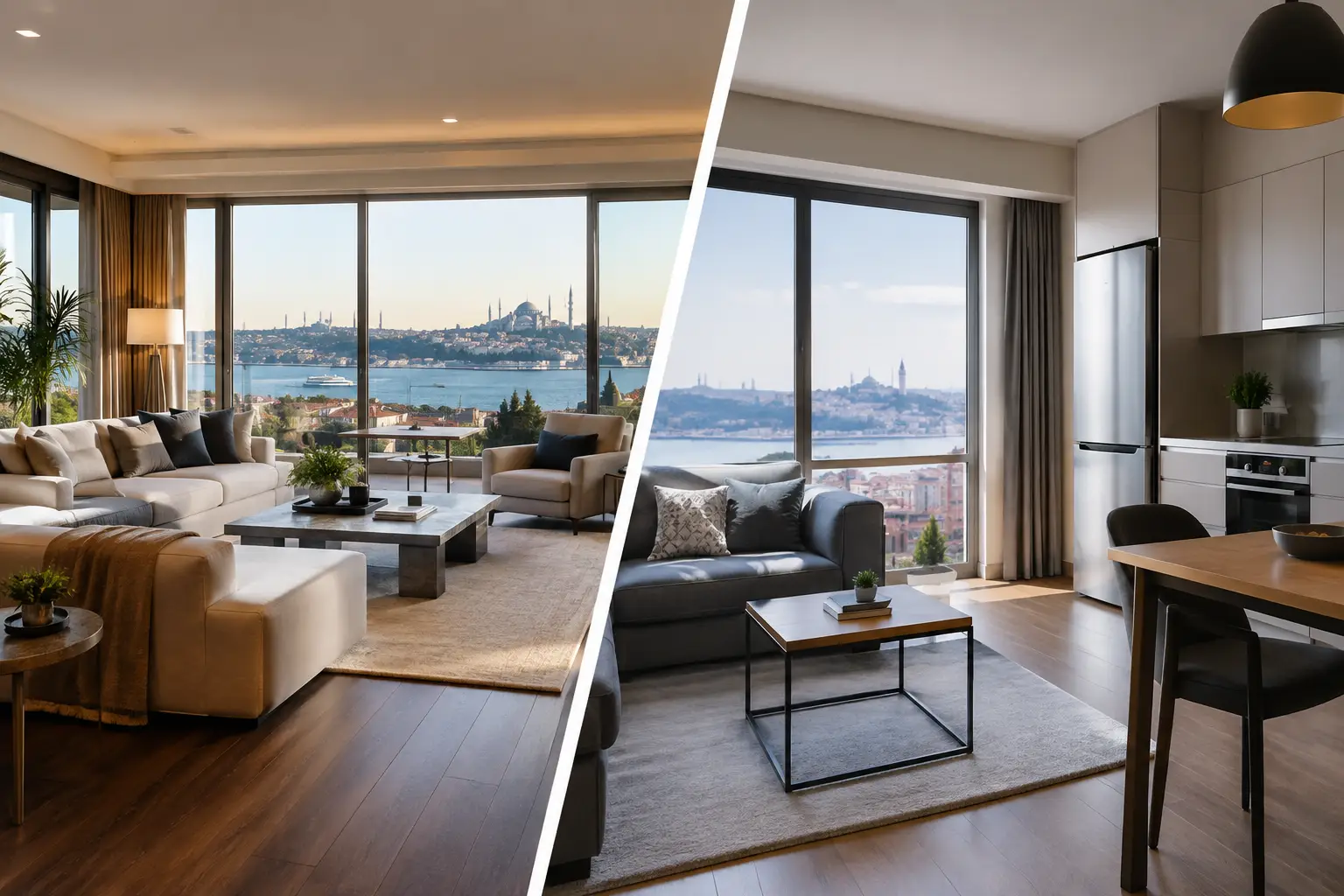
There is no universal winner. New developments often appeal to foreign buyers because they offer modern amenities, structured payment plans, and clean presentation. In established projects by credible developers, that can feel very secure. But buyers still need to verify delivery status, title readiness, and whether the promised facilities match the contract.
Resale property can be equally safe and, in some cases, easier to evaluate because the building already exists, the neighborhood is established, and comparable pricing is clearer. The trade-off is that resale deals require close checking of ownership history, building condition, and any outstanding dues.
In prime parts of Istanbul, both routes can make sense. The safer option is usually the one with better documentation, stronger pricing logic, and a clearer match to your personal objective.
Is Istanbul a Safe Market for Property Investment?
Istanbul remains the country’s most watched real estate market for a reason. It is the business center, population hub, and the city with the widest range of residential and commercial demand. For many international buyers, it offers the strongest blend of lifestyle quality, liquidity, and long-term relevance.
That said, Istanbul should not be approached casually. One district may attract family buyers looking for schools, transport, and year-round living. Another may perform better for executive rentals or capital appreciation tied to infrastructure growth. Safety in Istanbul comes from precision. Buying in the right project, at the right price, in the right district matters more than buying in the city in general.
This is where a brokerage with district-level knowledge can make a visible difference. A buyer comparing Basaksehir, Beylikduzu, Sisli, and Uskudar is not just comparing prices. They are comparing lifestyle, liquidity, tenant profile, resale depth, and investment timing.
So, Is It Safe to Buy Property in Turkey?
Yes, if you treat it like a serious investment and not a holiday impulse. Turkey offers genuine opportunities for international buyers, including well-located homes, income-generating assets, and qualifying properties for citizenship strategies. But safety comes from process, not marketing.
The right property in Turkey can deliver far more than ownership. It can give you a home base, a stronger portfolio, and access to a market that continues to attract global interest. The best next step is not to ask whether the market is safe in general, but whether the specific property in front of you has been checked from every angle.