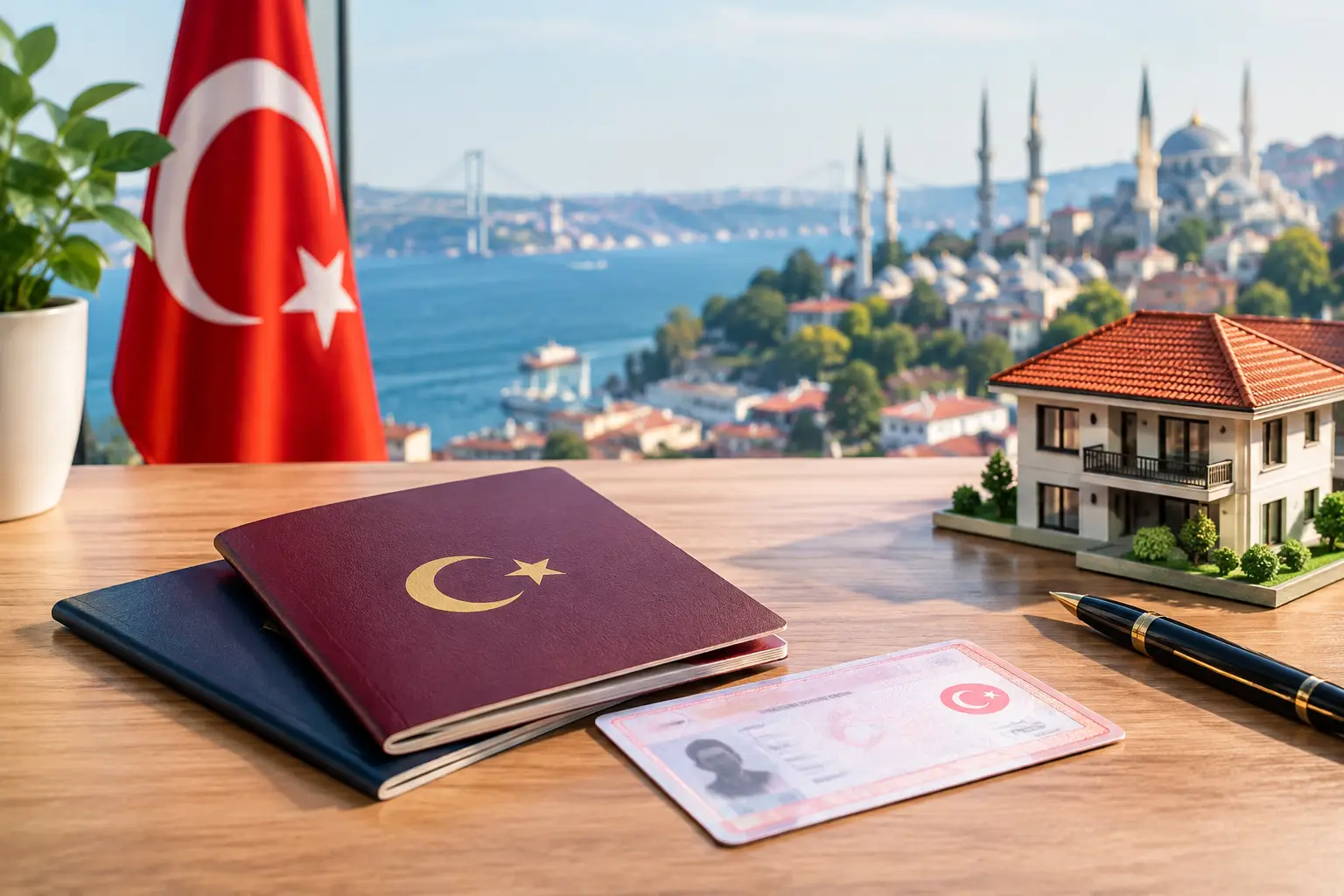

A lot of buyers start with the same question: can foreigners buy property in Turkey? The short answer is yes, and that is exactly why Turkey continues to attract investors, second-home buyers, and families planning a move. The longer answer matters more, because while the market is open to many nationalities, the right purchase depends on location, title status, legal checks, and your end goal – lifestyle, rental income, long-term appreciation, or citizenship.
Turkey stands out because it offers something many markets do not. You can still find a wide range of inventory, from city-center apartments and branded residences to villas, offices, shops, and land, while buying into a country that sits between Europe, Asia, and the Middle East. For international buyers, that mix of lifestyle appeal and strategic value is a major reason demand remains strong.
Can foreigners buy property in Turkey legally?
Yes, foreign nationals from many countries can legally buy real estate in Turkey. In most cases, they can purchase apartments, villas, offices, shops, and plots of land, provided the property is not in a restricted military or security zone and the transaction complies with Turkish title deed regulations.
That said, eligibility is not identical for every nationality. Turkey allows foreign ownership on a reciprocity and regulatory basis, and rules can change over time. Some nationalities may face limits on certain property types or locations. This is why serious buyers should never rely on assumptions or outdated forum advice. A professional eligibility check at the start can save time and prevent expensive mistakes.
The other point buyers should understand is that legal permission to buy does not automatically mean every property is a good fit for your purpose. A residence suitable for personal use is not always ideal for investment returns. A property that looks attractive for citizenship may not meet current valuation or compliance standards. Buying safely in Turkey is not just about whether foreigners can buy – it is about whether the specific property is clean, correctly priced, and aligned with your plan.
What types of property can foreigners buy in Turkey?
Foreign buyers can generally purchase residential and commercial real estate. Apartments are the most common choice, especially in Istanbul, where buyers often balance rental demand with future resale value. Villas appeal to families and lifestyle buyers who want more privacy, outdoor space, or coastal living. Commercial units and offices can also be available, though they require a more careful look at lease structure, location dynamics, and yield assumptions.
Land is possible in some cases, but it comes with more responsibility. If a foreign buyer purchases land without an existing building, there may be development obligations and time-based requirements depending on the zoning and permit structure. That makes land a more specialized purchase, better suited to buyers with a clear development strategy.
New-build projects are popular because they often come with modern facilities, staged payment options, and stronger appeal for overseas buyers. Resale properties, however, can offer better unit sizes, more established neighborhoods, and sharper negotiation opportunities. It depends on whether you prioritize convenience, immediate use, tenant readiness, or upside potential.
Key restrictions foreign buyers should know
The biggest misunderstanding in the market is thinking that all foreign purchases are straightforward. They are not difficult, but they do require attention to several rules.
Foreign nationals cannot buy in certain military and security-sensitive areas. There are also limits on how much land a foreign individual can own nationwide. In addition, a foreign buyer cannot simply choose any title structure without checking whether it is suitable for mortgage use, residency purposes, or a future resale.
For buyers focused on Turkish citizenship by investment, there are extra layers. The property must meet the required investment threshold under current regulations, and the valuation, title deed records, transfer method, and holding period all matter. A property that is perfectly legal to buy may still be unsuitable for a citizenship application if the process is not handled correctly.
This is where expert guidance becomes commercially important, not just convenient. The wrong purchase can tie up capital in an asset that does not serve your real objective.
The buying process for foreigners in Turkey
The process is more structured than many buyers expect. First comes property selection and legal review. This should include checking title deed details, construction compliance, debt status, zoning position where relevant, and whether the seller is authorized to transfer ownership.
Once the property passes due diligence, the next stage is usually reservation or sale agreement terms, followed by payment planning. Some buyers pay in cash, while others use developer installment structures where available. Foreign buyers also need a Turkish tax number, passport documentation, and often a local bank account to support the transaction flow.
The title deed transfer takes place at the Land Registry Office. At that stage, official records are updated and ownership is transferred to the buyer. If the purchase is connected to residency or citizenship goals, the supporting file should be prepared with that purpose in mind from the beginning, not treated as an afterthought.
In practice, smooth transactions come from preparation. The buyers who move confidently are usually the ones who clarify budget, target district, intended use, and legal pathway before visiting properties.
Costs beyond the sale price
International buyers should budget for more than the listing price. In addition to the purchase amount, there are title deed fees, appraisal costs in applicable cases, legal and translation expenses, and potential service fees linked to transaction support. If you are buying in a residence complex, there may also be monthly maintenance charges.
For investors, the real question is not whether these costs exist, but whether the asset still makes sense after they are factored in. A slightly higher-priced apartment in a stronger district can outperform a cheaper unit in a weaker location once rental demand, resale liquidity, and holding quality are considered.
That is especially true in Istanbul. District choice often shapes the outcome more than the headline discount. Buyers chasing the lowest entry point sometimes sacrifice long-term performance.
Is buying property in Turkey a good investment?
Turkey can be a compelling property market for foreign buyers, but it is not one-size-fits-all. If your goal is personal use, the value may come from lifestyle, location, and flexibility. If your goal is income, then tenant profile, transportation access, and local supply matter more. If your goal is citizenship, compliance becomes central.
Istanbul remains the leading market because it combines scale, year-round demand, and broad inventory. It appeals to professionals, families, and international investors alike. Coastal markets may offer stronger holiday appeal, but they can be more seasonal and less liquid depending on the area.
Currency movement, financing conditions, and macroeconomic shifts also play a role. That does not mean buyers should wait endlessly for a perfect moment. It means they should buy with a strategy. The strongest transactions are rarely impulse purchases. They are selected assets in locations with a clear reason for future demand.
Can foreigners buy property in Turkey for citizenship?
Yes, many foreign buyers enter the market specifically because real estate can support a Turkish citizenship by investment application when the purchase meets the current legal threshold and all compliance rules are followed. This route has made Turkey especially attractive to buyers who want both a tangible asset and a second citizenship option.
Still, citizenship-focused buying requires discipline. Not every seller understands the process. Not every property is structured appropriately. Timing, valuation, title restrictions, and payment records all matter. Buyers should be careful about deals that sound unusually easy or unusually cheap, especially if the main selling point is passport access.
A credible advisory process should connect property selection with the citizenship file from day one. That means choosing assets that work on two levels: they satisfy the legal framework and they remain sensible real estate holdings in their own right. That is where a brokerage with district knowledge, investment awareness, and post-sale support can make a meaningful difference.
What smart buyers do before making an offer
They narrow the purpose first. Are you buying a home for your family, a rental asset, a future resale play, or a citizenship-qualified investment? Once that is clear, the search becomes far more efficient.
They also compare more than photos and prices. They assess title quality, developer reputation, handover timing, neighborhood momentum, and exit potential. The right property is not always the most luxurious unit or the one with the loudest marketing. It is the one that fits your budget, legal position, and long-term plan.
For many international clients, working with a transaction partner instead of browsing listings alone brings speed and clarity. In a market as broad as Turkey, and especially in Istanbul, curated guidance often protects both time and capital.
Turkey offers real opportunity for foreign buyers, but the best results come when confidence is matched with careful execution. If you approach the market with a clear objective and the right support, buying here can be more than a purchase – it can be a smart step toward a stronger lifestyle, a better-positioned investment, or a new chapter altogether.